Quotessence
Home / Quotes / Quote by A.C. Grayling

Quote by A.C. Grayling

“Perhaps worse still is what liberal societies might do to themselves in the face of this new and different threat [of terrorism]. They begin, by small but dangerous increments, to cease to be as liberal as they once were. They begin to restrict their own hard-won rights and freedoms as a protection against the crminial minority who attempt (and as we thus see, by forcing liberty to commit suidcide, succed in doing) to terrorise society.”

Quote by A.C. Grayling

Work

Author

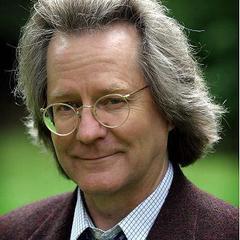
A.C. Grayling
A.C. Grayling

A.C. Grayling is a British philosopher, known for his work in ethics, logic, and political philosophy. He has written numerous books and articles on these subjects, and has been a prominent figure in the public discourse on philosophy and its relevance to contemporary life. more

You May Also Like

“But in the years since the neoliberal project really has been stripped down to what was always its essence: not an economic project at all, but a political project, designed to devastate the imagination, and willing - with it's cumbersome securitization and insane military projects - to destroy the capitalist order itself if that's what it took to make it seem inevitable.”

“A current pejorative adjective is narcissistic. Generally, a narcissist is anyone better looking than you are, but lately the adective is often applied to those "liberals" who prefer to improve the lives of others rather than exploit them. Apparently, a concern for others is self-love at its least attractive, while greed is now a sign of the hightest altruism. But then to reverse, periodically, the meanings of words is a very small price to pay for our vast freedom not only to conform but to consume.”

“Only those are called liberal or free which are concerned with knowledge; those which are concerned with utilitarian ends... are called servile...The question is... can man develop to the full as a functionary and a worker and nothing else; can a full human existence be contained within an exclusively workaday existence? Stated differently and translated back into our terms: is there such a thing as a liberal art?”