“Taking responsibility as a co-creator with God presupposes a basic understanding of how creation works.”
Quote by Carl Johan Calleman
Work
The Mayan Calendar and the Transformation of Consciousness
This book delves into the ancient Mayan calendar system, examining its significance and how it may relate to the evolution of human consciousness. It explores the potential transformation of society and the individual through the lens of this ancient calendar. more
Author
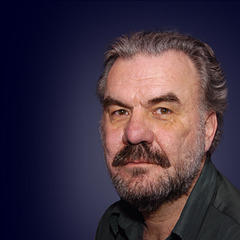
Carl Johan Calleman
Carl Johan Calleman is an author known for his work on the themes of cosmic time cycles and the evolution of human consciousness. Born on May 15, 1950, he has conducted research in various fields including physics, philosophy, and anthropology. more
You May Also Like
Source: My Several Worlds: A Personal Record
“He that loves reading has everything within his reach.”
Source: The Enquirer: Reflections on Education, Manners and Literature, in a Series of Essays
“Knowledge is no guarantee of good behavior, but ignorance is a virtual guarantee of bad behavior.”
Source: Not for Profit: Why Democracy Needs the Humanities
“If we don't understand phenomena, we are more likely to do things to harm ourselves and others.”
Source: Why History Matters: Life and Thought
“Reason without learning is like the untilled soil, or like the human body that lacks nourishment.”