“I was struck by the fact that for Joel abjuring agrochemicals and pharmaceuticals is not so much a goal of his farming, as it so often is in organic agriculture, as it is an indication that his farm is functioning well. “In nature health is the default,” he pointed out. “Most of the time pests and disease are just nature’s way of telling the farmer he’s doing something wrong.”
Quote by Michael Pollan
Work
The Omnivore's Dilemma: A Natural History of Four Meals
Michael Pollan investigates the complex relationships between food, culture, and the environment through an in-depth analysis of the ingredients and processes involved in four distinct meals. The book delves into the history, science, and ethics of food production, offering a critical examination of the modern food system and its impact on health, sustainability, and society. more
Author
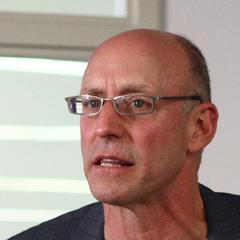
Michael Pollan
Michael Pollan is an American author renowned for his insightful views on food, agriculture, and culture. His work explores the impact of the modern food industry on health, the environment, and society, as well as the necessity of sustainable food systems. more
You May Also Like
Source: Cinch! Conquer Cravings, Drop Pounds, and Lose Inches
Source: The Brain Wash: A Powerful, All-Natural Program to Protect Your Brain Against Alzheimer's, Chronic Fatigue Syndrome, Depression, Parkinson's, and Other Diseases
Source: Change Your Brain, Change Your Body: Use Your Brain to Get and Keep the Body You Have Always Wanted
“The greatest luxury we can have is not where we are, but who we’re becoming.”
“Pesticides poison the main brain happy hormone or neurotransmitter, acetyl choline.”
Source: The Three-Body Problem
Source: The Mosquito Bites
“Watching what you eat ought to include knowing what what you eat ate.”