“The Gandhi-Irwin truce, signed in New Delhi on March 5, 1931, marked a turning point in the Indian revolution and in the affairs of the British Empire. Not that Gandhi won much. I was surprised that he had conceded so much, and Nehru was bitter. The Mahatma seemed to have given in on almost every issue. Not even his eloquent defence of what he believed he had achieved, imparted to me in long talks on the succeeding days, convinced me that he had not, to an amazing extent, surrendered. It would take some time for me to realise that Gandhi, with his subtle feeling for the course of history, had actually achieved a great deal. For the first time since the British took away India from the Indians, they had been forced, as Churchill bitterly complained, to deal with an Indian leader as an equal. For the first time the British acknowledged that Gandhi represented the aspirations and indeed the demands of most of the Indians for self-government. And that from then on, he, and the Indian National Congress he dominated, would have to be dealt with seriously.”
Quote by William L. Shirer
Book:Gandhi: A Memoir
Work
Gandhi: A Memoir
Browse quotes and source details for this work. more
Author
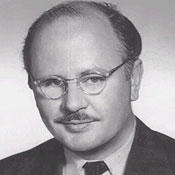
William L. Shirer
William L. Shirer was an accomplished American journalist, renowned for his coverage of World War II. His work, 'The Berlin Diary,' provided a detailed account of the rise of Nazi Germany and the lead-up to the war, becoming a classic historical document. more
You May Also Like
Source: Tennyson: Poems
“The true father of free India was Subhas Chandra Bose, not Gandhi.”
Source: Hurricane Humans: Give me accountability, I'll give you peace
Source: Keeping the Jewel in the Crown: The British Betrayal of India
Source: An Autobiography or The Story of My Experiments with Truth
Source: Gandhi: A Memoir
Source: Smile Anyway: Quotes, Verse, & Grumblings for Every Day of the Year
Source: She Walks in Beauty
Source: Gandhi: A Memoir
Source: When Bose was Ziauddin
Source: Hurricane Humans: Give me accountability, I'll give you peace