“Perhaps nothing is so fraught with significance as the human hand, this oldest tool with which man has dug his way from savagery, and with which he is constantly groping forward.”
Quote by Jane Addams
Work
Twenty Years at Hull-House: With Autobiographical Notes
This book offers a firsthand account of the author's work and observations at Hull-House, a notable social settlement in Chicago. It includes a blend of personal stories, social commentary, and reflections on the transformative impact of the community on its residents and the broader society. more
Author
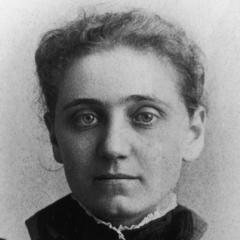
Jane Addams
Jane Addams, an American sociologist, was born on September 6, 1860, and died on May 21, 1935. She was a pioneer in the American social reform movement, known for her focus on the impoverished neighborhoods of Chicago's South Side. Addams was the first woman to win the Nobel Peace Prize, and her work had a profound impact on improving social services and promoting social justice. more
You May Also Like
Source: The Jane Addams Reader
Source: Twenty Years at Hull-House, with Autobiographical Notes, by Jane Addams. With a Foreword by Henry Steele Commager, Drawings by Norah Hamilton
Source: Democracy and Social Ethics
Source: Twenty Years at Hull-House: With Autobiographical Notes
Source: Twenty Years at Hull House
Source: Twenty Years at Hull-House: With Autobiographical Notes
Source: Peace and Bread in Time of War
Source: Twenty Years at Hull-House: With Autobiographical Notes
Source: The Jane Addams Reader