“I know well that happiness is in little things.”
Quote by John Ruskin
Work
The Correspondence of John Ruskin and Charles Eliot Norton
The Correspondence of John Ruskin and Charles Eliot Norton is a comprehensive compilation of letters exchanged between John Ruskin and Charles Eliot Norton. Spanning from the 1850s to the early 1900s, these letters offer a unique perspective on the cultural and intellectual climate of their time. The correspondence reveals the depth of their mutual respect and the influence they had on each other's work, as well as their shared interests in art, literature, and social issues. more
Author
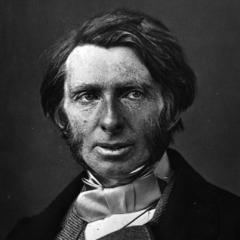
John Ruskin
John Ruskin was an influential British art critic, writer, and social critic. Known for his profound insights into art, architecture, and social issues, he had a significant impact on the aesthetics and culture of the Victorian era. more
You May Also Like
Source: On the nature of Gothic architecture: and herein of the true functions of the workman in art. Being the greater part of the 6th chapter of the 2nd vol. of 'Stones of Venice'. [48 p.].
Source: The Two Paths: Being Lectures on Art, and Its Application to Decoration and Manufacture, Delivered in 1858-9
Source: Pt. 1-2. of general principles and of truth
Source: On the Nature of Gothic Architecture: And Herein of the True Functions of the Workman in Art ...
Source: The seven lamps of architecture
Source: The True and the Beautiful in Nature, Art, Morals and Religion: Selected from the Works of John Ruskin...
“Ornamentation is the principal part of architecture, considered as a subject of fine art.”
Source: Lectures on Architecture and Painting
Source: Precious Thoughts: Moral and Religious. Gathered from the Works of John Ruskin, A. M.
Source: Precious Thoughts, Moral and Religious