“Imperfection is in some sort essential to all that we know of life. It is the sign of life in a mortal body, that is to say, of a state of progress and change. Nothing that lives is, or can be rigidly perfect; part of it is decaying, part nascent.”
Quote by John Ruskin
Work
On the nature of Gothic architecture: and herein of the true functions of the workman in art. Being the greater part of the 6th chapter of the 2nd vol. of 'Stones of Venice'. [48 p.].
'On the nature of Gothic architecture' is a scholarly examination of the Gothic architectural style, focusing on the craftsmanship and the significance of the artisan's role in creating art. The text is a selection from the renowned 'Stones of Venice', which is a comprehensive study of the city's architectural heritage. The book consists of 48 pages and offers a detailed analysis of Gothic architecture and the contributions of artisans within this field. more
Author
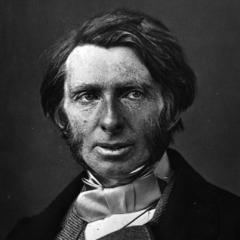
John Ruskin
John Ruskin was an influential British art critic, writer, and social critic. Known for his profound insights into art, architecture, and social issues, he had a significant impact on the aesthetics and culture of the Victorian era. more
You May Also Like
Source: The Two Paths: Being Lectures on Art, and Its Application to Decoration and Manufacture, Delivered in 1858-9
Source: Pt. 1-2. of general principles and of truth
Source: On the Nature of Gothic Architecture: And Herein of the True Functions of the Workman in Art ...
Source: The seven lamps of architecture
Source: The True and the Beautiful in Nature, Art, Morals and Religion: Selected from the Works of John Ruskin...
“Ornamentation is the principal part of architecture, considered as a subject of fine art.”
Source: Lectures on Architecture and Painting
Source: Precious Thoughts: Moral and Religious. Gathered from the Works of John Ruskin, A. M.
Source: Precious Thoughts, Moral and Religious
Source: Modern Painters: (pt.4) Modern painters of many things