“The names of great painters are like passing-bells: in the name of Velasquez you hear sounded the fall of Spain; .in the name of Titian, that of Venice; in the name of Leonardo, that of Milan; in the name of Raphael, that of Rome. And there is profound justice in this, for in proportion to the nobleness of the power is the guilt of its use for purposes vain or vile; and hitherto the greater the art, the more surely has it been used, and used solely, for the decoration of pride or the provoking of sensuality.”
Quote by John Ruskin
Author
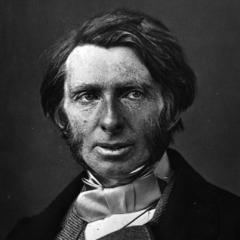
John Ruskin
John Ruskin was an influential British art critic, writer, and social critic. Known for his profound insights into art, architecture, and social issues, he had a significant impact on the aesthetics and culture of the Victorian era. more
You May Also Like
Source: Modern Painters: (pt.4) Modern painters of many things
Source: A Joy Forever
Source: Selections from the Writings of John Ruskin
Source: The Two Paths: Being Lectures on Art, and Its Application to Decoration and Manufacture, Delivered in 1858-9
Source: The Political Economy of Art: Being the Substance (with Additions) of Two Lectures Delivered at Manchester, July 10th and 13th, 1857
Source: pt. VI: Of leaf beauty. pt. VII: Of cloud beauty. pts. VIII-IX: Of ideas of relation
Source: The Stones of Venice
“There is no solemnity so deep, to a right-thinking creature, as that of dawn.”
Source: The fall