“Wonder [admiratio astonishment, marvel] is a kind of desire for knowledge. The situation arises when one sees an effect and does not know its cause, or when the cause of the particular effect is one that exceeds his power of understanding. Hence, wonder is a cause of pleasure insofar as there is annexed the hope of attaining understanding of that which one wants to know. ... For desire is especially aroused by the awareness of ignorance, and consequently a man takes the greatest pleasure in those things which he discovers for himself or learns from the ground up.”
Quote by Thomas Aquinas
Author
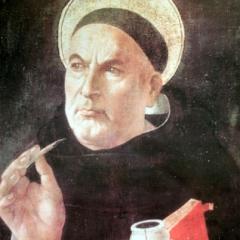
Thomas Aquinas
Thomas Aquinas, born on January 28, 1225 and died on March 7, 1274, was a renowned theologian, philosopher, and priest. He is considered one of the greatest theologians of the Middle Ages and his works have had a profound impact on philosophy and theology. more
You May Also Like
Source: Newton: Philosophical Writings
Source: The Water-babies a Fairy Tale for a Land-baby by the Rev. Charles Kingsley
“[Newton's calculations] entered the marrow of what we know without knowing how we know it.”
“The greatest crime since World War II has been U.S. foreign policy.”
Source: How Life Imitates Chess: Making the Right Moves, from the Board to the Boardroom