“But do we know how to make love stay?' I can't even think about it. The best I can do is play it day by day.”
Quote by Tom Robbins
Work
Still Life with Woodpecker
In this introspective novel, the protagonist, George, grapples with his own mortality and the complexities of human relationships. The narrative is woven around the artist's experiences, reflecting on his past and present, as well as the nature of existence and the fleeting nature of life. more
Author
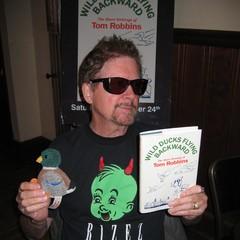
Tom Robbins
Tom Robbins (born July 22, 1936) is an acclaimed American novelist known for his whimsical, philosophical, and often surreal storytelling. His works blend pop culture, Eastern spirituality, and countercultural themes, with notable titles including 'Another Roadside Attraction' and 'Even Cowgirls Get the Blues'. Born in North Carolina, Robbins worked as a journalist and art critic before turning to fiction. His novels are celebrated for their linguistic playfulness, eccentric characters, and profound meditations on love, freedom, and the human condition. Though not a recipient of major literary prizes, he has cultivated a devoted global readership and influenced generations of writers. He remains a distinctive voice in contemporary American literature. more
You May Also Like
“Do not belong to the past dawns,but to the noons of future”
Source: Essays on the Gita
“He who understands baboon would do more towards metaphysics than Locke.”
“When you're eight years old, nothing is any of your business.”
Source: Negotiating with the Dead: A Writer on Writing