“The United States of America should have a foundation free from the influence of clergy.”
Quote by George Washington
Author
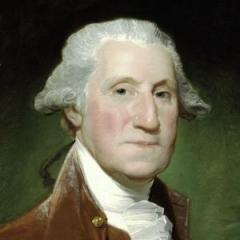
George Washington
George Washington was the first President of the United States and a key figure in the American Revolutionary War. Born on February 22, 1732, and died on December 14, 1799, Washington is known for his strong leadership and belief in democracy, playing a crucial role in American history. more
You May Also Like
Source: The Complete Works, in Philosophy, Politics, and Morals, of the Late Dr. Benjamin Franklin, Now First Collected and Arranged: With Memoirs of His Early Life
Source: The works of the late Dr. Benjamin Franklin: consisting of his Life, written by himself. Together with humorous, moral and literary essays, chiefly in the manner of the Spectator. Among which are several not in any American edition
Source: The Works of Benjamin Franklin; Containing Several Political and Historical Tracts Not Included in Any Former Edition, and Many Letters, Official and Private, Not Hitherto Published; with Notes and a Life of the Author
Source: The private correspondence of Benjamin Franklin, LL.D, F.R.S., &c. Minister Plenipontentiary from the United States of America at the court of France, and for the Treaty of Peace and Independence with Great Britain, &c. &c: comprising a series of letters on miscellaneous, literary, and political subjects written between the years 1753 and 1790, illustrating the memoirs of his public and private life, and developing the secret history of his political transactions and negociations
Source: The Private Correspondence of Benjamin Franklin .. Comprising a Series of Letters on Miscellaneous, Litarary, and Political Subjects: Written Between the Years 1753 and 1790; Illustrating the Memoirs of His Public and Private Life, and Developing the Secret History of His Political Transactions and Negociations. Now First Published from the Originals