Quotessence
Home / Quotes / Quote by Isabel Wilkerson

Quote by Isabel Wilkerson

“The suburbanization and the ghettos that were created as a result of the limits of where [African-Americans] could live in the North [still exist today.] And ... the South was forced to change, in part because they were losing such a large part of their workforce through the Great Migration.”

Quote by Isabel Wilkerson

Author
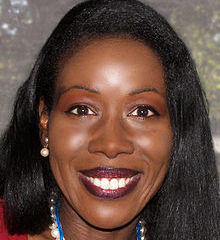
Isabel Wilkerson
Isabel Wilkerson

Isabel Wilkerson is an American journalist renowned for her profound insights into racial and social issues. Born in New York in 1961, she graduated from Columbia University with a Master's degree in journalism. Wilkerson's work, 'The Warmth of Other Suns', which meticulously documents the mass migration of African Americans from the Southern United States in the mid-20th century, won the Pulitzer Prize. more

You May Also Like

“And in some ways, to me, that's one of the inspiring and powerful things about the Great Migration itself. There was no leader, there was no one person who set the date who said, 'On this date, people will leave the South.' They left on their own accord for as many reasons as there are people who left. They made a choice that they were not going to live under the system into which they were born anymore and in some ways, it was the first step that the nation's servant class ever took without asking.”

“At the beginning of the 20th century, before the migration began, 90 percent of all African-Americans were living in the South. By the end of the Great Migration, nearly half of them were living outside the South in the great cities of the North and West. So when this migration began, you had a really small number of people who were living in the North and they were surviving as porters or domestics or preachers - some had risen to levels of professional jobs - but they were, in some ways, protected because they were so small.”

“My parents sent me to a school across town, an integrated school, where I had the chance to meet and grow up with people who were from other parts of the world. ... I remember feeling that I would never have anything to contribute on St. Patrick's Day. I couldn't tell the stories that they might have been telling about their forebears and I felt left out.”

“There were colored and white waiting rooms everywhere, from doctor's offices to the bus stations, as people may already know. But there were actually colored windows at the post office in, for example, Pensacola, Florida. And there were white and colored telephone booths in Oklahoma. And there were separate windows where white people and black people would go to get their license plates in Indianola, Mississippi. And there were even separate tellers to make your deposits at the First National Bank in Atlanta.”