Quotessence
Home / Quotes / Quote by William E. Rees

Quote by William E. Rees

“Human societies as temporally and spatially far-flung as the Mesopotamians, Mayans, and Easter Islanders likely came to ruin by expanding beyond the capacity of their environments to sustain them.”

Quote by William E. Rees

Author
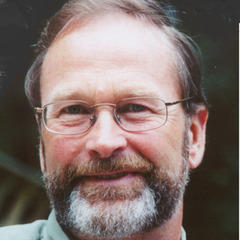
William E. Rees
William E. Rees

William E. Rees is a renowned professor born on December 18, 1943. He is a prominent environmental scientist, particularly known for his research on ecological footprints and sustainability. more

You May Also Like

“In the past, it was possible to destroy a village, a town, a region, even a country. Now it is the whole planet that has come under threat. This fact should compel everyone to face a basic moral consideration; from now on, it is only through a conscious choice and then deliberate policy that humanity will survive.”

“To create a world in which life can flourish and prosper we must replace the values and institutions of capitalism with values and institutions that honor life, serve life's needs, and restore money to its proper role as servant. I believe we are in fact being called to take a step to a new level of species consciousness and function.”

“We are forced to choose, for the processes we have initiated in our lifetime cannot continue in the lifetime of our children. Whatever we do either creates the framework for continuing the supreme adventure of life and consciousness on this planet or sets the stage for its termination. The choice before us is urgent and important: it can neither be postponed nor ignored.”

“Death is not the end, but the beginning of a new life. Yes, it is an end of something that is already dead. It is also a crescendo of what we call life, although very few know what life is. They live, but they live in such ignorance that they never encounter their own life. And it is impossible for these people to know their own death, because death is the ultimate experience of this life, and the beginning experience of another. Death is the door between two lives; one is left behind, one is waiting ahead.”