“Nurture strength of spirit to shield you in sudden misfortune.”
Quote by Max Ehrmann
Work
Desiderata: A Survival Guide for Life
The title draws upon the well-known 1927 prose poem "Desiderata" by Max Ehrmann, which offers counsel on living a balanced and dignified life. The subtitle "A Survival Guide for Life" suggests the book adapts this philosophical tradition into practical advice for contemporary readers facing everyday difficulties. Works bearing this title typically explore themes of personal resilience, emotional equilibrium, and mindful living. The original "Desiderata" itself gained widespread popularity during the 1960s and 1970s and remains frequently quoted for its gentle prescriptions against anxiety and its encouragement of personal peace. Any book adopting this framework would likely address topics such as managing expectations, cultivating patience, maintaining humility, and finding purpose amid uncertainty. Without access to a specific edition, the precise contents, authorial approach, and intended audience cannot be definitively stated. Multiple books may share this or similar titles, reflecting the enduring cultural resonance of Ehrmann's text as a touchstone for reflective self-help literature. more
Author
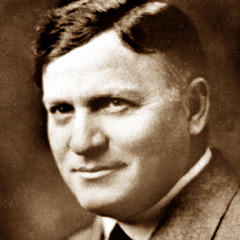
Max Ehrmann
Max Ehrmann (September 26, 1872 - September 9, 1945) was an American writer of German birth. Best known for his famous work 'Desiderata', a short essay on the philosophy of life, which has become a globally beloved literary piece since its first publication in 1927. His other works include poetry, prose, and novels, many of which had an impact on the literary scene of the time. more
You May Also Like
“You'll be richer in the end than a prince, if you're a friend.”
Source: A Heap o' Living'
“In the difficult are the friendly forces, the hands that work on us.”
Source: Letters of Rainer Maria Rilke, 1892-1910
Source: Living in the Light: Follow Your Inner Guidance to Create a New Life and a New World
Source: A New England girlhood
Source: The Selected Letters of D. H. Lawrence