Quotessence
Home / Quotes / Quote by Robert A. Heinlein

Quote by Robert A. Heinlein

“Violence, naked force, has settled more issues in history than has any other factor, and the contrary opinion is wishful thinking at its worst. Breeds that forget this basic truth have always paid for it with their lives and their freedoms”

Quote by Robert A. Heinlein

Work

Starship Troopers

Written by Robert A. Heinlein, this novel is set in a future where humanity has colonized space and is engaged in a war with an insect-like alien race. The story follows a young soldier's journey through the ranks of the Mobile Infantry, highlighting the challenges and responsibilities of military service. The novel is known for its exploration of political and social themes, including the concept of 'citizen soldiers' and the role of the individual within a larger collective. more

Author

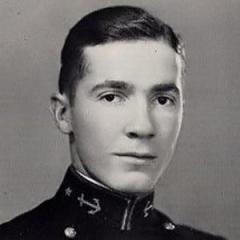
Robert A. Heinlein
Robert A. Heinlein

Robert A. Heinlein was an American science fiction writer, hailed as a master in the field of science fiction. His works have had a profound impact on the development of science fiction literature, with classics such as 'Starship Troopers' and 'The Time Machine'. more

You May Also Like

“During the cold war, the anticommunist ideological framework could transform any data about existing communist societies into hostile evidence. If the Soviets refused to negotiate a point, they were intransigent and belligerent; if they appeared willing to make concessions, this was but a skillful ploy to put us off our guard. By opposing arms limitations, they would have demonstrated their aggressive intent; but when in fact they supported most armament treaties, it was because they were mendacious and manipulative. If the churches in the USSR were empty, this demonstrated that religion was suppressed; but if the churches were full, this meant the people were rejecting the regime's atheistic ideology. If the workers went on strike (as happened on infrequent occasions), this was evidence of their alienation from the collectivist system; if they didn't go on strike, this was because they were intimidated and lacked freedom. A scarcity of consumer goods demonstrated the failure of the economic system; an improvement in consumer supplies meant only that the leaders were attempting to placate a restive population and so maintain a firmer hold over them. If communists in the United States played an important role struggling for the rights of workers, the poor, African-Americans, women, and others, this was only their guileful way of gathering support among disfranchised groups and gaining power for themselves. How one gained power by fighting for the rights of powerless groups was never explained. What we are dealing with is a nonfalsifiable orthodoxy, so assiduously marketed by the ruling interests that it affected people across the entire political spectrum.”

“Our gathering was not as strange a thing as it might have appeared. A xenophobe would see a company of foreigners in camouflage uniforms, carrying out military drills and calisthenics, and might imagine us to be the lead element of some nefarious Asian invasion of the American homeland, a Yellow Peril in the Golden State, a diabolical dream of Ming the Merciless sprung to life. Far from it. The General's men, by preparing themselves to invade our now communist homeland, were in fact turning themselves into new Americans. After all, nothing was more American than wielding a gun and committing oneself to die for freedom and independence, unless it was wielding that gun to take away someone else’s freedom and independence.”

“Tegularius was a willful, moody person who refused to fit into his society. Every so often he would display the liveliness of his intellect. When highly stimulated he could be entrancing; his mordant wit sparkled and he overwhelmed everyone with the audacity and richness of his sometimes somber inspirations. But basically he was incurable, for he did not want to be cured; he cared nothing for co-ordination and a place in the scheme of things. He loved nothing but his freedom, his perpetual student status, and preferred spending his whole life as the unpredictable and obstinate loner, the gifted fool and nihilist, to following the path of subordination to the hierarchy and thus attaining peace. He cared nothing for peace, had no regard for the hierarchy, hardly minded reproof and isolation. Certainly he was a most inconvenient and indigestible component in a community whose idea was harmony and orderliness. But because of this very troublesomeness and indigestibility he was, in the midst of such a limpid and prearranged little world, a constant source of vital unrest, a reproach, an admonition and warning, a spur to new, bold, forbidden, intrepid ideas, an unruly, stubborn sheep in the herd.”