“I can see others in the sunlight; I can see our boats' crews and our athletic young men on the glistening water, or speckled with the moving lights of sunlit leaves; but I myself am always in the shadow looking on. Not unsympathetically, - God forbid! - but looking on alone, much as I looked at Sylvia from the shadows of the ruined house, or looked at the red gleam shining through the farmer's windows, and listened to the fall of dancing feet, when all the ruin was dark that night in the quadrangle.”
Quote by Charles Dickens
Work
Hard Times (And Other Stories)
This compilation brings together a selection of short stories that delve into a range of subjects and storytelling techniques, offering readers a diverse and engaging literary experience. more
Author
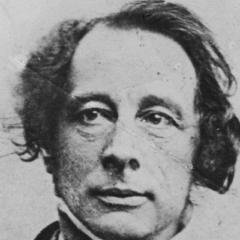
Charles Dickens
Charles Dickens, a British writer born on February 7, 1812, and died on June 9, 1870, is one of the greatest novelists of the 19th century. Known for his profound social criticism and vivid narrative style, Dickens' works extensively cover social reality, revealing various issues in the British society of the time. more
You May Also Like
Source: The posthumous papers of the Pickwick Club
Source: The Old Curiosity Shop
Source: Oliver Twist
Source: Our Mutual Friend
Source: The Old Curiosity Shop: And Reprinted Pieces
Source: Master Humphrey's Clock
Source: THE GREATEST DICKENS CLASSICS (Illustrated Edition): Oliver Twist, The Pickwick Papers, Great Expectations, A Tale of Two Cities, Hard Times, David Copperfield, A Christmas Carol, Bleak House, Little Dorrit, Our Mutual Friend, The Life of Dickens
Source: The Mystery of Edwin Drood
Source: The Complete Works of Charles Dickens: Edwin Drood and Miscellaneous