“All that we make and do is shaped by the communities and traditions that contain us, not to mention by money, power, politics, and luck. And even should the artist or scientist think she has extracted herself from the world to stand alone in the studio, a tremendous array of faculties and mind-states may well attend her creativity.”
Quote by Lewis Hyde
Work
Common as Air: Revolution, Art, and Ownership
This book delves into the multifaceted role of air in history, culture, and society, tracing its impact on revolutionary movements, artistic expression, and the legal and ethical dimensions of ownership. more
Author
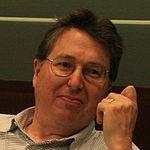
Lewis Hyde
Lewis Hyde is an American essayist and poet, known for his profound reflections on creativity, culture, and society. His work delves into the lives and work of artists, as well as the role of art in society. more
You May Also Like
Source: The Gift: Creativity and the Artist in the Modern World
Source: The Gift: Creativity and the Artist in the Modern World
“True citizens are not the audience of their government, nor its consumers; they are its makers.”
Source: Common as Air: Revolution, Art, and Ownership
Source: Trickster Makes This World: Mischief, Myth and Art
Source: The Gift: Creativity and the Artist in the Modern World
Source: Samedi the Deafness: A Novel