“Culture means the perfect and equal development of man on all sides.”
Quote by John Burroughs
Work
The Writings of John Burroughs: I-[XV] ...
The Writings of John Burroughs: I-[XV] ... is a comprehensive compilation of essays and writings by John Burroughs, an influential figure in American literature. The collection encompasses his insights into the natural world, his philosophical musings, and his observations on the human condition. Burroughs' work is characterized by its lyrical prose and deep engagement with the natural environment, offering readers a rich tapestry of thoughts and experiences. more
Author
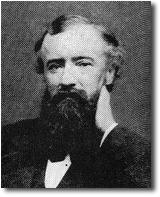
John Burroughs
John Burroughs (April 3, 1837 – March 29, 1921) was an American essayist and naturalist, widely regarded as the father of American nature writing. Born in Roxbury, New York, he worked as a teacher and journalist before dedicating himself to observing and writing about nature. His works, such as Wake-Robin and Winter Sunshine, are celebrated for their vivid descriptions and philosophical depth. A close friend of poet Walt Whitman, Burroughs emphasized the spiritual connection between humans and the natural world. His writings influenced early conservation movements and continue to inspire readers today. more
You May Also Like
Source: The Invisible Child: On Reading and Writing Books for Children
“a work that intends to be art must first be entertaining.”
Source: Gates of excellence: on reading and writing books for children
Source: The Invisible Child: On Reading and Writing Books for Children
Source: The Invisible Child: On Reading and Writing Books for Children
Source: Read for Your Life #18
Source: Read for Your Life #18