Quotessence
Home / Quotes / Quote by John Ruskin

Quote by John Ruskin

“It is, indeed, right that we should look for, and hasten, so far as in us lies, the coming of the day of God; but not that we should check any human effort by anticipations of its approach. We shall hasten it best by endeavoring to work out the tasks that are appointed for us here; and, therefore, reasoning as if the world were to continue under its existing dispensation, and the powers which have just been granted to us were to be continued through myriads of future ages.”

Quote by John Ruskin

Work

The Stones of Venice

First published in 1851, The Stones of Venice is a comprehensive study by the English art critic and historian John Ruskin. The book delves into the intricate details and historical significance of Venetian architecture, focusing on the use of stone in the city's buildings. It is renowned for its detailed observations, rich descriptions, and its influence on the development of architectural theory and conservation practices. more

Author

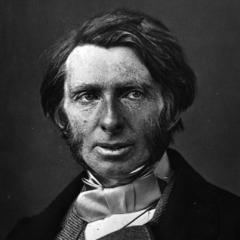
John Ruskin
John Ruskin

John Ruskin was an influential British art critic, writer, and social critic. Known for his profound insights into art, architecture, and social issues, he had a significant impact on the aesthetics and culture of the Victorian era. more

You May Also Like

“The enormous influence of novelty--the way in which it quickens observations, sharpens sensations, and exalts sentiment--is not half enough taken note of by us, and is to me a very sorrowful matter. And yet, if we try to obtain perpetual change, change itself will become monotonous.”

“Obedience is, indeed, founded on a kind of freedom, else it would become mere subjugation, but that freedom is only granted that obedience may be more perfect; and thus while a measure of license is necessary to exhibit the individual energies of things, the fairness and pleasantness and perfection of them all consist in their restraint.”

“All the best things and treasures of this world are not to be produced by each generation for itself; but we are all intended, not to carve our work in snow that will melt, but each and all of us to be continually rolling a great white gathering snow-ball, higher and higher, larger and larger, along the Alps of human power.”

“The art of nations is to be accumulative, just as science and history are; the work of living men not superseding, but building itself upon the work of the past.”