“Let a prejudice be bequeathed, carried in the air, adopted by hearsay, caught in through the eye,–however it may come, these minds will give it a habitation; it is something to assert strongly and bravely, something to fill up the void of spontaneous ideas, something to impose on others with the authority of conscious right; it is at once a staff and a baton.”
Quote by George Eliot
Work
The Mill on the Floss
This classic novel delves into the lives of two siblings, Tom and Maggie Tulliver, amidst the backdrop of a mill on the River Floss. The story examines the complex relationships within the Tulliver family and the romantic aspirations of the siblings, set against the backdrop of Victorian England's social and economic changes. more
Author
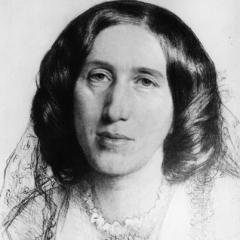
George Eliot
George Eliot, born Mary Ann Evans, was a renowned 19th-century British novelist. Her works are known for their profound psychological insights and critical exploration of social issues. With her unique narrative techniques and rich emotional expression, she has had a profound impact on literature. more
You May Also Like
Source: The Human Stain
Source: There Are No Secrets: Thoughts on Acting and Theatre
Source: The Strange Death of Europe: Immigration, Identity, Islam
Source: How the Mind Works
Source: Spent: Sex, Evolution, and Consumer Behavior
“The only time self-deceit should be entered into is when it’s fun, and with awareness.”
Source: The Secret Life of a Satanist: The Authorized Biography of Anton LaVey
Source: The Happy Couple
Source: Devil Is Fine