“[To speak more particularly at last of lovers] their situation allowed them to consider their feelings with a sort of feverish objectivity, at it was rare, at such times, for them not to see their own shortcomings clearly. The first occasion of this was the difficulty they had in imagining precisely the absent person's actions and gestures. They deplored the fact that they knew nothing about how their loved ones spent their time; they felt guilty about their past failure to find this out and about having pretended to believe that, for a person in love, the beloved's actions are not the source of every joy. From then on it was easy for them to go back through the story of their love and to examine its imperfections. In normal times we are aware, consciously or not, that there is no love that cannot be surpassed, yet we accept with a greater or lesser degree of equanimity that ours shall remain merely average. But memory is more demanding.”
Quote by Albert Camus
Work
Albert Camus' classic work delves into the human condition during a devastating epidemic, examining themes of hope, despair, and the struggle for meaning in the face of tragedy. more
Author
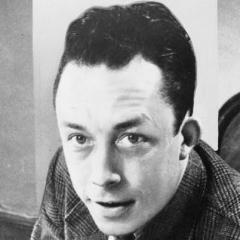
Albert Camus was a French author and philosopher, born on November 7, 1913, and died on January 4, 1960. Known for his unique existentialist philosophy and profound insights into human suffering, Camus' works include 'The Stranger', 'The Plague', and 'The Myth of Sisyphus', which have had a profound impact on 20th-century literature. more
You May Also Like
“Every long separation is a test: A test to see how powerful or how weak the will of reuniting is!”
“Even if we're not together, we'll never really be apart.”
“At the end of a marriage, no one wins. There is only anger, sorrow, guilt, emptiness, and defeat.”