“Will you tell me how to prevent riches from producing luxury? Will you tell me how to prevent luxury from producing effeminacy, intoxication, extravagance, vice and folly?”
Quote by John Adams
Work
The Works of John Adams, Second President of the United States: With a Life of the Author, Notes and Illustrations
This volume includes a wide array of John Adams's personal and professional correspondence, political writings, and other documents. It also features a detailed biography of Adams, providing insight into his life and times. The book is further enhanced with notes and illustrations that offer context and analysis of Adams's work. more
Author
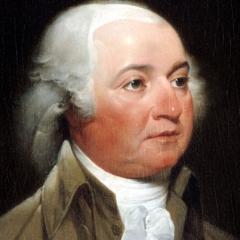
John Adams
John Adams, the second President of the United States, was a statesman, diplomat, and writer. Born on October 30, 1735, and died on July 4, 1826, Adams played a significant role in the American Revolutionary War. He was one of the drafters of the Declaration of Independence and served as the President from 1789 to 1797. more
You May Also Like
Source: The Works of John Adams: Controversial papers of the Revolution (continued) Works on government
Source: Diary and Autobiography: Diary, 1755-1770
Source: The Adams-Jefferson Letters: The Complete Correspondence Between Thomas Jefferson and Abigail and John Adams
Source: The Works of John Adams, Second President of the United States: With a Life of the Author, Notes and Illustrations
Source: The Political Writings of John Adams: Representative Selections
Source: The Political Writings of John Adams: Representative Selections
“We must not then depend alone upon the love of liberty in the soul of man for its preservation.”
Source: John Adams: Writings from the New Nation, 1784-1826
Source: Works: with a life of the author
Source: The Works of John Adams, Second President of the United States: With a Life of the Author, Notes and Illustrations