“The aim of life was meat. Life itself was meat. Life lived on life. There were the eaters and the eaten.”
Quote by Jack London
Work
White Fang (Arcadia Classics)
White Fang is a novel by Jack London, originally published in 1906. The story follows the journey of a wild wolf cub, White Fang, as he is tamed and becomes a sled dog in the Alaskan wilderness. The narrative delves into the evolution of White Fang's character, illustrating the transformation from a wild creature to a domesticated animal. The novel is renowned for its vivid portrayal of the natural world and the human struggle for survival. more
Author
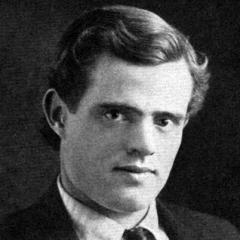
Jack London
Jack London was an American author known for his adventure novels and realistic works. His writings often depicted the lives of the underclass and his profound insights into the natural world. His notable works include 'The Call of the Wild' and 'White Fang'. more
You May Also Like
“Kill or be killed, eat or be eaten, was the law; and this mandate, down out of the depths of Time.”
Source: The Call of the Wild
Source: John Barleycorn
Source: The Scarlet Plague
Source: The Kempton-Wase Letters
Source: No Mentor But Myself: Jack London on Writers and Writing
Source: Jack London: The Complete Novels [Classics Authors Vol: 6] (Black Horse Classics)
Source: Jack London Six Pack
Source: Delphi Complete Works of Jack London (Illustrated)