“If it were felt that the free development of individuality is one of the leading essentials of well-being; that it is not only a coordinate element with all that is designated by the terms civilisation, instruction, education, culture, but is itself a necessary part and condition of all those things; there would be no danger that liberty should be undervalued.”
Quote by John Stuart Mill
Work
J. S. Mill: 'On Liberty' and Other Writings
'On Liberty' is a foundational text in the field of political philosophy, advocating for individual freedom and the importance of the rule of law. The collection also features additional works by Mill, delving into themes such as democracy, education, and the role of government in society. more
Author
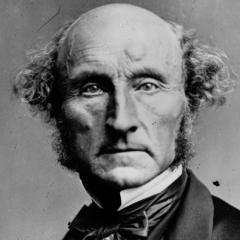
John Stuart Mill
John Stuart Mill was an influential British philosopher, economist, and logician. He is one of the most important figures in 19th-century philosophy and his ideas had a profound impact on political, social, and philosophical thought of the time. more
You May Also Like
Source: Essays on Some Unsettled Questions of Political Economy
Source: Principles of Political Economy: Mill's Works
“Can you picture yourself at the age 60 doing what you do now?”
“Every student of comedy should see Dame Edna at least twice.”
“Truth is a torch which gleams in the fog but does not dispel it.”