Quotessence
Home / Quotes / Quote by Andrew Bujalski

Quote by Andrew Bujalski

“I think a lot of people go into filmmaking thinking, "How can I make a career?" And so when they make their first film, they make it thinking, "Well, this'll be the one that gets me to the place where I can make the second film the way I want to make it, and that'll get me to the place where I can make $100 million on the third film." And I thought, "Well, if I put sustainability at the bottom of my priority list, then what opportunities is that going to free me up to pursue?" And that's what I've always done.”

Quote by Andrew Bujalski

Author
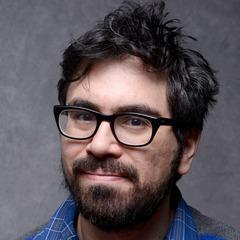
Andrew Bujalski
Andrew Bujalski

Andrew Bujalski, born on April 29, 1977, is an independent film director of an unknown profession. His works are known for their unique style and profound insights into everyday life. more

You May Also Like

“I suppose it's nice that I've made films that some people have heard of and respect. That's great. And it's certainly helpful in some regards, but they're really tough economic prospects. They always have been, and that's not necessarily getting any better. And not just the films, but it's also been a rough 10 years for that independent film market. And so I have stumbled onto this point in the timeline where the kind of stuff that I'm trying to do is not... it was a lot easier to know what to do with it 20 years ago.”

“What will always be possible is for someone to walk into a dark room and experience a film and connect to it. And that's why I make my films - for people to go and have that experience. That's really the whole dream for me, so that hasn't gone anywhere. What has gone somewhere is making the numbers add up on each side of it. And who knows? I've had all kinds of freak-outs. I got married recently, and my wife listened to me go off the other day on this fear that maybe our culture has just moved beyond art entirely. Maybe we don't need it anymore.”

“On one hand, I kind of feel like I have unlimited options right now, and obviously that's not technically true, but when you're at this place where you're just kind of dreaming up stuff, your imagination is your limit. That's where I'm at, which is great, but ultimately I think you have to make these decisions to close off some options to yourself. I think things only get done when you say, "This is the one thing I'm doing," and you kind of kill the other ones in the meantime. So I haven't done that yet, I've got to figure that out.”

“Smoking pot makes people talk for long periods of time, for instance, so people who advocate pot won't shut the hell up about it. On the other hand, no one really needs to defend drinking. That's something that frustrates me as a comic: I have to play clubs where selling booze runs the business, so crowds get drunk and yell out a bunch of stupid stuff at me. Pot doesn't cause people to do that. I did a show in Amsterdam a few months ago, and people weren't yelling stuff out at all. They also weren't laughing very much, but I think they were still having a good time.”

“The creative process for a musician is very different than for a filmmaker. I have an idea and I can pretty much execute it. As old as I am now and as long as I've been doing it, I can pretty much get it done in a week. While a filmmaker has a great idea that should be out tomorrow, but he has to go through this process of getting financing, then selling it, then casting. I've always been in awe of filmmakers and their patience in realizing their vision because I could never do that.”

“It's frustrating when people get upset with me about not going out to DVD - the reason is that I plan to tour with the films for many, many years, not just a month or a week. Literally years. And as soon as I would put it out on DVD, it would ruin the financial possibilities of me making it a theatrical event. Whereas the book, the publishing of a screenplay, would not cause that problem.”

“My interest in music tends toward being orchestral music. And the repertoire of music that exists is, to me, far more emotive than what is standardly used in movie scores. That isn't always. I think there've been some excellent movie scores by excellent directors. But for the most part, watching a film, one of today's movies, I think that the emotional undertone of movie scores is pretty poor.”

“I can't really speak to what it was like to call yourself a feminist in the past on a personal level but I think calling oneself a feminist in the past may have been inimical because feminists in the '70s were the first to really challenge deeply embedded gender roles and demand concrete political and economic rights. They were asking for rights that seemed like a direct threat to those in power - they were asking for equality in a society that didn't have it in an obvious way. They were put down and villainized because they were seen as threatening.”