“It is in the nature of political bodies always to see the evil in the opposite group, just as the individual has an ineradicable tendency to get rid of everything he does not know and does not want to know about himself by foisting it off on somebody else. Nothing has a more diverse and alienating effect upon society than this moral complacency and lack of responsibility, and nothing promotes understanding and rapprochement more than the mutual withdrawal of projections.”
Quote by Carl Jung
Author
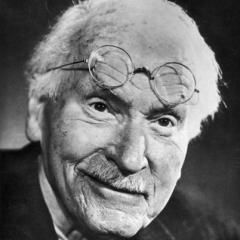
Carl Jung
Carl Jung, born on July 26, 1875, and died on June 6, 1961, was a renowned Swiss psychiatrist and psychologist. His theories have had a profound impact on fields such as psychology, psychiatry, and religious studies. Jung proposed the theory of personality types, the concept of the collective unconscious, and founded analytical psychology. more
You May Also Like
“Complacency makes one as guilty as those who destroy the Earth.”
“I often wish I'd got on better with your father,' he said.”
Source: Delphi Complete Works of Virginia Woolf (Illustrated)
Source: THORSTEIN VEBLEN Ultimate Collection: 8 Books & 50+ Business Essays and Articles in Warfare and Economics: The Theory of the Leisure Class, The Theory of Business Enterprise, The Higher Learning In America, Panem et Circenses, The Vested Interests and the Common Man, The Use of Loan Credit in Business…
Source: Enquiry Concerning Political Justice: And Its Influence On Morals And Happiness
“On you and me and everything, I bestow my ripe blessings and boisterous bliss.”
Source: Pronoia Is the Antidote for Paranoia: How the Whole World Is Conspiring to Shower You with Blessings
“For this I bless you most. You give much and know not that you give at all.”
Source: Kahlil Gibran: Masterpieces