“You cannot prove realism to a complete sceptic or idealist; but you can show an honest man that he is not a complete sceptic or idealist, but a realist at heart. So long as he is alive his sincere philosophy must fulfil the assumptions of his life and not destroy him.”
Quote by George Santayana
Work
Essays in critical realism: a co-operative study of the problem of knowledge
This book delves into the philosophical discourse surrounding critical realism, examining various perspectives on the problem of knowledge. The essays within offer a collaborative examination of the complexities involved in understanding and acquiring knowledge, providing a comprehensive look at the theoretical underpinnings of critical realism. more
Author
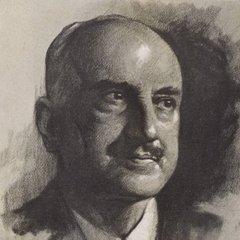
George Santayana
George Santayana was an American philosopher, essayist, and critic renowned for his unique philosophical thoughts and profound insights into culture, art, and science. His philosophy emphasizes individualism, naturalism, and pragmatism, and his works have had a profound impact on 20th-century philosophy and culture. more
You May Also Like
Source: The Genteel Tradition: Nine Essays
Source: The Works of George Santayana: The letters of George Santayana. 1933-1936. Vol. 5. Book 5
Source: The Works of George Santayana
Source: The Works of George Santayana: Character and opinion in the United States. The genteel tradition at bay. Dewey's naturalistic metaphysics. Philosophical heresy
Source: The Essential Santayana: Selected Writings
Source: The Life of Reason: Introduction and Reason in Common Sense
Source: Little essays drawn from the writings of George Santayana
Source: Character and Opinion in the United States