“But usually not. Usually she thinks of the path to his house, whether deer had eaten the tops of the fiddleheads, why they don't eat the peppermint saprophytes sprouting along the creek; or she visualizes the approach to the cabin, its large windows, the fuchsias in front of it where Anna's hummingbirds always hover with dirty green plumage and jeweled throats. Sometimes she thinks about her dream, the one in which her mother wakes up with no hands. The cabin smells of oil paint, but also of pine. The painter's touch is sexual and not sexual, as she herself is....When the memory of that time came to her, it was touched by strangeness because it formed no pattern with the other events in her life. It lay in her memory like one piece of broken tile, salmon-coloured or the deep green of wet leaves, beautiful in itself but unusable in the design she was making”
Quote by Robert Hass
Book:Human Wishes
Work
Human Wishes
Browse quotes and source details for this work. more
Author
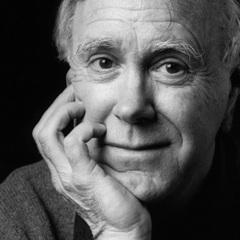
Robert Hass
Robert Hass is an American poet known for his concise and profound poetry style. His works explore themes of nature, history, and the human condition, and have won numerous literary awards. more
You May Also Like
Source: Le bonheur dans le crime
“Perhaps grown women are beings of a good deal more complexity than cats”
Source: Indiscretion
Source: Eleven Minutes
Source: Oliver Twist
Source: The Mutiny of the Elsinore
Source: O Poder dos Pais no desenvolvimento emocional e cognitivo dos filhos
Source: The Kalahari Typing School for Men