“I don't know what it is about fecundity that so appalls. I suppose it is the teeming evidence that birth and growth, which we value, are ubiquitous and blind, that life itself is so astonishingly cheap, that nature is as careless as it is bountiful, and that with extravagance goes a crushing waste that will one day include our own cheap lives, Henle's loops and all. Every glistening egg is a memento mori.”
Quote by Annie Dillard
Work
PILGRIM AT TINKER CREEK
Pilgrim at Tinker Creek is a non-fiction book that delves into the intricate details of the natural environment surrounding the creek, offering a blend of ecological research and personal reflection. The author's detailed observations of the creek's ecosystem are woven together with philosophical and spiritual insights, creating a unique narrative that celebrates the beauty and complexity of the natural world. more
Author
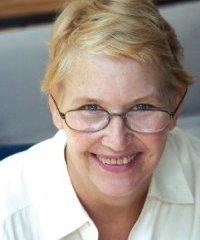
Annie Dillard
Annie Dillard is an American author known for her unique writing style and profound observations of nature. Born on April 30, 1945, she has written several notable works, including 'Pilgrim at Tinker Creek' and 'Under the Sun'. more
You May Also Like
“Who can understand how life begins in the womb of a woman?”
“One should never conceal their path to the field from their source.”
Source: Four Hundred Souls: A Community History of African America, 1619-2019
Source: Straight On Till Morning
Source: The Desert of Wheat
“Birth doesn't ask you to be fearless. It asks you to be brave.”
Source: Transformed by Birth: Cultivating Openness, Resilience, and Strength for the Life-Changing Journey from Pregnancy to Parenthood
Source: The Silent Patient