“The sacrifice of pleasures is of course itself a pleasure.”
Quote by Muriel Spark
Work
Loitering with Intent
This book is a series of essays that delve into the concept of loitering, examining it as a method of observing and contemplating urban environments and the social dynamics within them. The author uses personal anecdotes and observations to explore the significance of loitering in various contexts, offering insights into the nature of public space, community, and individual identity. more
Author
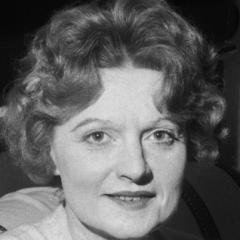
Muriel Spark
Muriel Spark was a Scottish author known for her wit and sharp social commentary. Born on February 1, 1918, in Edinburgh, Scotland, she passed away on April 13, 2006. Spark's writing often delved into themes of identity, morality, and the human condition, with her novel 'The Prime of Miss Jean Brodie' being one of her most celebrated works. more
You May Also Like
Source: Monday or Tuesday
Source: Surprised by Joy: The Shape of My Early Life
“Everything that frees our spirit without giving us control of ourselves is ruinous.”
Source: Delphi Works of Johann Wolfgang von Goethe (Illustrated)
“To create a little flower is the labour of ages.”
Source: Collected Poems
Source: The Map of Life
Source: Curious George
“The cut worm forgives the plow.”
Source: The Poetry of William Blake