“When the trust account is high, communication is easy, instant, and effective.”
Quote by Stephen Covey
Work
The 7 Habits of Highly Effective People: Powerful Lessons in Personal Change
This book presents a framework for personal development, focusing on seven habits that are essential for success in both personal and professional realms. It explores principles such as proactive thinking, time management, and effective communication, providing readers with actionable advice for enhancing their lives. more
Author
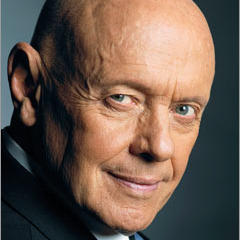
Stephen Covey
Stephen Covey was an American author, entrepreneur, and lecturer, best known for his book 'The 7 Habits of Highly Effective People'. Since its publication in 1989, this book has become a global bestseller and has had a profound impact on personal and organizational development. more
You May Also Like
“Most people do not listen with the intent to understand; they listen with the intent to reply.”
Source: The 7 Habits of Highly Effective People: Powerful Lessons in Personal Change Interactive Edition
Source: The Hours: A Novel
Source: The Hours: A Novel
“You'll find as you go through life that great depth and smoldering sensuality don't always win.”
Source: Their Eyes Were Watching God
Source: Southern discomfort
“Why doesn't love come with an owner's manual?”
Source: Fallout
Source: A Breach of Promise: A William Monk Novel