“The uselessness and expensiveness of modern women multiply bachelors.”
Quote by Samuel Richardson
Work
A collection of the moral and instructive sentiments, maxims, cautions, and reflexions, contained in the histories of Pamela, Clarissa, and Sir Charles Grandison: Digested under proper heads, with references to the volume, ...
This book is a curated collection of moral and instructive sentiments, maxims, cautions, and reflections drawn from the historical novels Pamela, Clarissa, and Sir Charles Grandison, all written by Samuel Richardson. The content is systematically arranged under various thematic headings, providing readers with a structured reference to the moral lessons and wisdom found within the original volumes. more
Author
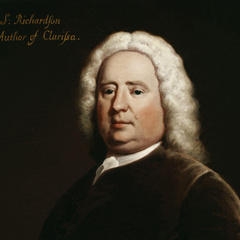
Samuel Richardson
Samuel Richardson (August 19, 1689 - July 4, 1761) was an 18th-century English writer, widely regarded as one of the founders of the modern English novel. Born in London during the reign of James II, he initially worked in book printing and publishing before turning to writing. Richardson's major works include 'Pamela,' 'Clarissa,' and 'Sir Charles Grandison,' which are renowned for their psychological depth and vivid character development. He pioneered the use of diary and epistolary formats, allowing readers intimate access to characters' inner worlds. His novels were immensely popular in their time and significantly influenced the development of the novel form, particularly in psychological characterization and social commentary. Richardson's focus on moral instruction and feminine virtue reflected 18th-century English societal values. more
You May Also Like
Source: Clarissa Harlowe, or The History of a Young Lady - Complete
“Women love those best (whether men, women, or children) who give them most pain.”
Source: A collection of the moral and instructive sentiments, maxims, cautions, and reflexions, contained in the histories of Pamela, Clarissa, and Sir Charles Grandison: Digested under proper heads, with references to the volume, ...
Source: Works
“Twenty-four is a prudent age for women to marry at.”
Source: A collection of the moral and instructive sentiments, maxims, cautions, and reflexions, contained in the histories of Pamela, Clarissa, and Sir Charles Grandison: Digested under proper heads, with references to the volume, ...
Source: The Correspondence of Samuel Richardson, Author of Pamela, Clarissa, and Sir Charles Grandison: Selected from the Original Manuscripts, Bequeathed by Him to His Family, to which are Prefixed, a Biographical Account of that Author, and Observations on His Writings
“What the unpenetrating world call Humanity, is often no more than a weak mind pitying itself.”
Source: Letters and passages restored from the original manuscripts of the History of Clarissa. To which is subjoined, a collection of such of the moral and instructive sentiments ... contained in the History, as are presumed to be of general use and service ... Published for the sake of doing justice to the purchasers of the first two editions of that work