“In the Destroyer's steps there spring up bright creations that defy his power, and his dark path becomes a way of light to Heaven.”
Quote by Charles Dickens
Work
The Works of Charles Dickens
This compilation brings together the major literary output of Charles Dickens, one of the most influential English novelists of the 19th century. The works included span his entire career, from early picaresque tales to later, more somber narratives. They are noted for their memorable characters, intricate plots, and keen observations of social conditions in industrial England. The collection typically features his most famous novels such as Oliver Twist, A Tale of Two Cities, and Great Expectations, alongside lesser-known pieces, offering readers a broad view of his thematic concerns including poverty, justice, and human resilience. more
Author
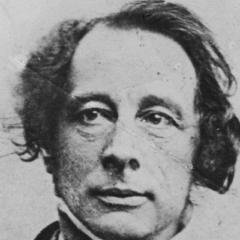
Charles Dickens
Charles Dickens, a British writer born on February 7, 1812, and died on June 9, 1870, is one of the greatest novelists of the 19th century. Known for his profound social criticism and vivid narrative style, Dickens' works extensively cover social reality, revealing various issues in the British society of the time. more
You May Also Like
Source: Man and Superman: A Comedy and a Philosophy
Source: Vanity Fair: (A Modern Library E-Book)
Source: The Plays and Poems of William Shakspeare: In Ten Volumes: Collated Verbatim with the Most Authentick Copies, and Revised; with the Corrections and Illustrations of Various Commentators; to which are Added, an Essay on the Chronological Order of His Plays; an Essay Relative to Shakspeare and Jonson; a Dissertation on the Three Parts of King Henry VI; an Historical Account of the English Stage; and Notes; by Edmond Malone
Source: Barnaby Rudge, And, Hard Times: With Ten Illustrations
Source: Four Novels of George Eliot
Source: The Life And Adventures Of Nicholas Nickleby
Source: Charles Dickens's works. Charles Dickens ed. [18 vols. of a 21 vol. set. Wanting A child's history of England; Christmas stories; The mystery of Edwin Drood].
Source: Delphi Works of H. Rider Haggard (Illustrated)
Source: Works of Charles Dickens