“Women in general seem to me to be appreciably more intelligent than men. A great many of them suffer in silence from the imbecilities of their husbands.”
Quote by H. L. Mencken
Work
Diary of H. L. Mencken
This book offers a glimpse into the life and thoughts of H. L. Mencken, a prominent figure in American journalism and cultural criticism during the early 20th century. The diary entries provide insights into his views on society, politics, and the arts, reflecting his wit and sharp intellect. more
Author
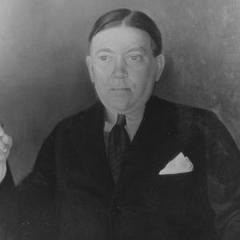
H. L. Mencken
H. L. Mencken was an American journalist, essayist, satirist, cultural critic, and scholar of American English. Born on September 12, 1880, and passing away on January 29, 1956, Mencken is renowned for his significant contributions to American culture and language, particularly through his satirical essays and critical analyses of the American establishment. more
You May Also Like
“I love it when someone insults me. That means that I don't have to be nice anymore.”
Source: The History of the Decline and Fall of the Roman Empire
Source: The Collected Works of Edward Gibbon: Historical Works, Autobiographical Writings and Private Letters, Including The History of the Decline and Fall of the Roman Empire
Source: The Student's Gibbon: The History of the Decline and Fall of the Roman Empire