“The folly of others is ever most ridiculous to those who are themselves most foolish.”
Quote by Oliver Goldsmith
Work
The miscellaneous works of Oliver Goldsmith
This volume includes a selection of Oliver Goldsmith's literary works, showcasing his versatility as a writer across various genres. The collection features essays on moral and social issues, poems that reflect on nature and human emotions, and plays that explore themes of wit and satire. more
Author
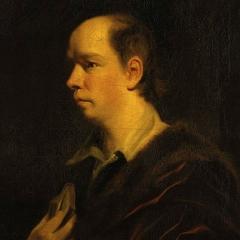
Oliver Goldsmith
Oliver Goldsmith was an Irish novelist, playwright, poet, and physician. He is best known for his novel 'The Vicar of Wakefield' and his plays 'She Stoops to Conquer' and 'The Good-Natur'd Man'. Goldsmith's works are characterized by their wit, humor, and moral depth. more
You May Also Like
Source: The vicar of Wakefield, poems, and essays
Source: The Miscellaneous Works: Letters from a citizen of the world, to his friend in the East. A familiar introduction to the study of natural history
Source: The works of Oliver Goldsmith, ed. by P. Cunningham
Source: Goldsmith's miscellaneous works
Source: The Miscellaneous Works of Oliver Goldsmith: With an Account of His Life and Writings
Source: The Works of Oliver Goldsmith
Source: Miscellaneous Works of Oliver Goldsmith: With a New Life of the Author
Source: A History of the Earth and Animated Nature: Illus. with 85 Copperplates
Source: The miscellaneous works of Oliver Goldsmith, M.B.: with a biographical memoir of the author, written expressly for this edition
“Novels teach the youthful mind to sigh after happiness that never existed.”