Quotessence
Home / Quotes / Quote by Plato

Quote by Plato

Work

The Republic

In 'The Republic,' Plato presents a dialogue between Socrates, Glaucon, and other philosophers, discussing the nature of justice, the structure of an ideal society, and the role of philosophers as rulers. The work is divided into ten books and delves into various philosophical topics, including the nature of the soul, the nature of justice, and the nature of the state. more
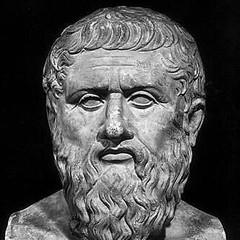
Author

Plato
Plato

Plato (428 BC - 348 BC) was a prominent Greek philosopher, one of the most influential figures in Western philosophy. He founded the Academy, which was the first institution of higher education in the Western world. Plato's philosophy, centered around the theory of Forms, emphasized the importance of reason and morality. more

You May Also Like

“Beauty of style and harmony and grace and good rhythm depend on simplicity - I mean the true simplicity of a rightly and nobly ordered mind and character, not that other simplicity which is only a euphemism for folly.”

“And all knowledge, when separated from justice and virtue, is seen to be cunning and not wisdom; wherefore make this your first and last and constant and all-absorbing aim, to exceed, if possible, not only us but all your ancestors in virtue; and know that to excel you in virtue only brings us shame, but that to be excelled by you is a source of happiness to us.”

“And we must beg Homer and the other poets not to be angry if we strike out these and similar passages, not because they are unpoetical, or unattractive to the popular ear, but because the greater the poetical charm in them, the less are they meet for the ears of boys and men who are meant to be free, and who should fear slavery more than death.”

“And we shall most likely be defeated, and you will most likely be victors in the contest, if you learn so to order your lives as not to abuse or waste the reputation of your ancestors, knowing that to a man who has any self-respect, nothing is more dishonourable than to be honoured, not for his own sake, but on account of the reputation of his ancestors.”