“Unlearned men of books assume the care, As eunuchs are the guardians of the fair.”
Quote by Edward Young
Work
The Complete Works, Poetry and Prose of the Rev. Edward Young, LL.D.: Revised and Collated with the Earliest Editions. To which is Prefixed A Life of the Author
The Complete Works of Edward Young, a distinguished clergyman and scholar, is a comprehensive compilation of his poetry and prose. The book has been meticulously revised and compared with the earliest known editions of his works. Additionally, it opens with a biography that provides insight into the life and times of the author, Edward Young, LL.D. more
Author
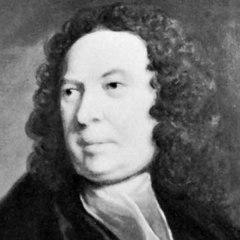
Edward Young
Edward Young, a renowned English poet, was born on July 3, 1683, and died on April 5, 1765. His poetry, characterized by profound philosophical insights and a unique style, has had a lasting impact on literature. more
You May Also Like
“Husbands and wives generally understand when opposition will be vain.”
Source: Making Sense of Persuasion! a Students Guide to Austen's (Includes Study Guide, Biography, and Modern Retelling)
Source: The Works of John Adams, Second President of the United States: With a Life of the Author, Notes and Illustrations
Source: Two treatises of government
Source: Locke: Two Treatises of Government Student Edition
“Nobody but a beggar chooses to depend chiefly upon the benevolence of his fellow-citizens.”
Source: Adam Smith: Selected Philosophical Writings