“The great Error of our Nature is, not to know where to stop, not to be satisfied with any reasonable Acquirement; not to compound with our Condition; but to lose all we have gained by an insatiable Pursuit after more.”
Quote by Edmund Burke
Work
Delphi Complete Works of Edmund Burke (Illustrated)
The Delphi Complete Works of Edmund Burke (Illustrated) is a meticulously curated compilation of Burke's extensive writings, offering readers a comprehensive view of his political philosophy, social commentary, and historical analysis. This illustrated edition aims to provide a visually engaging experience, making the classic texts more accessible to contemporary readers. more
Author
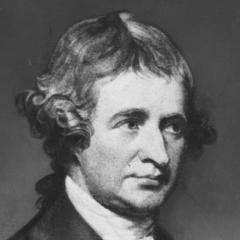
Edmund Burke
Edmund Burke, a British statesman and writer, was born on January 12, 1729, and died on July 9, 1797. He was one of the most prominent political thinkers of the 18th century, known for his profound insights into liberty, democracy, and conservatism. more
You May Also Like
“Men have no right to what is not reasonable, and to what is not for their benefit.”
Source: The Works of the Right Honourable Edmund Burke
Source: Delphi Complete Works of Edmund Burke (Illustrated)
Source: Ideas Have Consequences
Source: Ideas Have Consequences
Source: Ideas Have Consequences: Expanded Edition
“Live one day at a time emphasizing ethics rather than rules.”
Source: Everyday Wisdom
Source: Ideas Have Consequences: Expanded Edition