Quotessence
Home / Quotes / Quote by Wayne Dyer

Quote by Wayne Dyer

Work

Everyday Wisdom

This book offers a compilation of wise sayings and tips that aim to enhance everyday experiences and decision-making. more
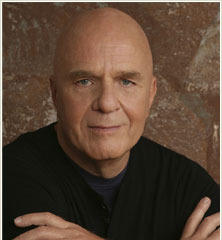
Author

Wayne Dyer
Wayne Dyer

Wayne Dyer, born on May 10, 1940, was an influential American author, speaker, and thinker in the field of self-improvement. His works covered a wide range of topics including personal growth, spiritual living, and mental health, which have been highly appreciated by readers. Dyer's inspiring speeches and books have helped countless people find the meaning of life and inner peace. more

You May Also Like

“Triumphs against the natural order of living exact unforeseen payments. At the same time that man attempts to straighten a crooked nature, he is striving to annihilate space, which seems but another phase of the war against substance. We ignore the fact that space and matter are shock absorbers; the more we diminish them the more we reduce our privacy and security.”

“Nature is not something to be fought, conquered and changed according to any human whims. To some extent, of course, it has to be used. But what man should seek in regard to nature is not a complete domination but a modus vivendi - that is, a manner of living together, a coming to terms with something that was here before our time and will be here after it. The important corollary of this doctrine, it seems to me, is that man is not the lord of creation, with an omnipotent will, but a part of creation, with limitations, who ought to observe a decent humility in the face of the inscrutable.”

“The modern spectacle of vanished forests and eroded lands, wasted petroleum and ruthless mining, national debts recklessly increased until they are repudiated, and continual revision of positive law, is evidence of what an age without veneration does to itself and its successors.”

“True conformity to the dictates of nature requires reverence for the past and solicitude for the future. 'Nature' is not simply the sensation of the passing moment; it is eternal, though we evanescent men experience only a fragment of it. We have no right to imperil the happiness of posterity by impudently tinkering with the heritage of humanity.”

“If men are discharged of reverence for ancient usage, they will treat this world, almost certainly, as if it were their private property, to be consumed for their sensual gratification; and thus they will destroy in their lust for enjoyment the property of future generations, of their own contemporaries, and indeed their very own capital.”