“Stephen jerked his thumb towards the window, saying: — That is God. Hooray! Ay! Whrrwhee! — What? Mr Deasy asked. — A shout in the street, Stephen answered, shrugging his shoulders.”
Quote by James Joyce
Work
JAMES JOYCE Premium Collection: Ulysses, A Portrait of the Artist as a Young Man, Dubliners, Chamber Music & Exiles
The James Joyce Premium Collection is a comprehensive compilation of some of the most influential works by James Joyce. It includes Ulysses, often considered one of the greatest novels of the 20th century, known for its stream-of-consciousness narrative and detailed portrayal of everyday life. A Portrait of the Artist as a Young Man is a semi-autobiographical novel that explores the artist's development and the search for identity. Dubliners is a collection of short stories set in Dublin, offering insights into the lives of ordinary people. Chamber Music is a collection of short stories and poems, showcasing Joyce's versatility as a writer. Exiles is a novel that follows the lives of three expatriates living in Paris, reflecting on themes of alienation and cultural identity. more
Author
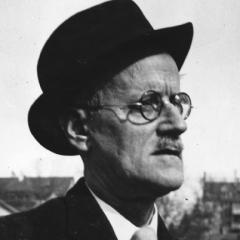
James Joyce
James Joyce, born on February 2, 1882, and died on January 13, 1941, was an Irish novelist and one of the greatest writers of the 20th century. Known for his unique narrative techniques and profound psychological insights, Joyce is celebrated for his contributions to modernist literature. His most famous work is 'Ulysses', which is considered one of the greatest literary works of the 20th century. Other notable works include 'Dubliners' and 'Finnegans Wake'. more
You May Also Like
Source: Smoke and Mirrors
Source: The Hunger Games
Source: The River of Winged Dreams (Hardcover Gift Edition)
“Men must live and create. Live to the point of tears.”
Source: Notebooks, 1935-1942
Source: Atria Español Presents: The Best of Mexican Literature