“If the question [before justices of the peace] relate to any point of public liberty, or if it be one of those in which the judges may be suspected of bias, the jury undertake to decide both law and fact.”
Quote by Thomas Jefferson
Work
The Works of Thomas Jefferson: Notes on Virginia II, Correspondence 1782-1786
The book features Thomas Jefferson's influential work on the social and political landscape of Virginia, along with his extensive correspondence during a pivotal period in American history. more
Author
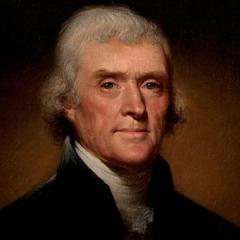
Thomas Jefferson
Thomas Jefferson was the third President of the United States, a distinguished politician, philosopher, architect, and scientist. He was born on April 13, 1743, and died on July 4, 1826. Jefferson advocated for democracy and freedom in politics and was one of the main authors of the Declaration of Independence. His political ideas had a profound impact on the founding and development of the United States. more
You May Also Like
Source: The writings of Thomas Jefferson
“The legislative powers of government reach actions only and not opinions.”
Source: Jefferson: Political Writings
“The liberty of speaking and writing guards our other liberties.”
Source: The writings of Thomas Jefferson
Source: The portable Thomas Jefferson
Source: The writings of Thomas Jefferson: being his autobiography, correspondence, reports, messages, addresses, and other writings, official and private : published by the order of the Joint Committee of Congress on the Library, from the original manuscripts, deposited in the Department of State
Source: Jefferson: Political Writings
Source: The Real Thomas Jefferson
Source: The Life and Writings of ...
Source: The Works of Thomas Jefferson: Published by Order of Congress from the Original Manuscripts Deposited in the Department of State