“He is very fond of me, almost too fond. I could do with less caressing and more rationality. I should like to be less of a pet and more of a friend, if I might choose; but I won't complain of that: I am only afraid his affection loses in depth where it gains in ardour. I sometimes liken it to a fire of dry twigs and branches compared with one of solid coal, very bright and hot; but if it should burn itself out and leave nothing but ashes behind.”
Quote by Anne Bronte
Work
The Tenant of Wildfell Hall: Easyread Large Bold Edition
This novel is a poignant exploration of a woman's struggle for independence and self-respect in a society that confines her. The story follows a woman who leaves her husband and raises her daughter in seclusion, all while dealing with the social stigma attached to her situation. more
Author
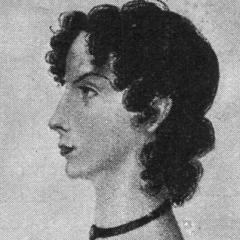
Anne Bronte
Anne Brontë was an English novelist, best known for her only novel, 'Agnes Grey'. Born on January 17, 1820, and passing away on May 28, 1849, she was the third of the Brontë sisters. Her childhood was marked by poverty and religious fervor, which deeply influenced her literary works. 'Agnes Grey', published in 1847, gained recognition only after her death and is now considered a classic of English literature. The novel is renowned for its profound psychological insights and realistic style, exploring the position of women in society and moral dilemmas. more
You May Also Like
Source: The Tenant of Wildfell Hall (Diversion Illustrated Classics)
Source: The Art of the Commonplace: The Agrarian Essays of Wendell Berry
Source: Boneshaker
Source: Winter of the Wolf Moon: An Alex McKnight Mystery
“Am I not ninja enough? Are you saying that I lack ninja?”
Source: Bite Club
“I'd rather be pleasantly surprised than fatally disappointed.”
Source: I See You Everywhere