Quotessence
Home / Quotes / Quote by Upton Sinclair

Quote by Upton Sinclair

Work

The Jungle

This novel provides an in-depth look at the working conditions and exploitation faced by workers in the meatpacking industry during the early 20th century, offering a critical examination of the social and economic issues of the time. more
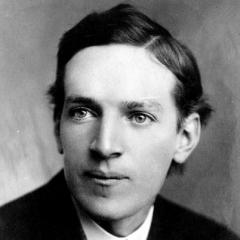
Author

Upton Sinclair
Upton Sinclair

Upton Sinclair was an American author, journalist, and political activist who became one of the most influential social critics of the early 20th century. His 1906 novel "The Jungle," which exposed the horrific conditions of the Chicago meatpacking industry, caused public outrage and directly led to the passage of the Pure Food and Drug Act. Sinclair wrote over 90 books throughout his life and won the Pulitzer Prize for Fiction in 1943 for "Dragon's Teeth." A committed socialist, he ran for governor of California and became a prominent voice for progressive reform in American society. more

You May Also Like

“When the guy turned around, Amy began stuttering. Silently. It was a feat only Amy could manage, and only Dan could notice. And it only happened in front of boys who looked like this one. He had brown hair and caramel-colored eyes, like Dan's friend Nick Santos, who made all the sixth-grade girls turn into blithering idiots when he looked their way--in fact, would even say Watch, lean make them turn into blithering idiots, and then he'd do it. Only older. "He. Is. Hot," Nellie said under her breath. "You too?" Dan hissed.”

“Majority decisions tend to be made without engaging the systematic thought and critical thinking skills of the individuals in the group. Given the force of the group's normative power to shape the opinions of the followers who conform without thinking things through, they are often taken at face value. The persistent minority forces the others to process the relevant information more mindfully. Research shows that the deciscions of a group as a whole are more thoughtful and creative when there is minority dissent than when it is absent.”

“This for many people is what is most offensive about hunting—to some, disgusting: that it encourages, or allows, us not only to kill but to take a certain pleasure in killing. It's not as though the rest of us don't countenance the killing of tens of millions of animals every year. Yet for some reason we feel more comfortable with the mechanical killing practiced, out of view and without emotion by industrial agriculture.”