“Should a person on returning from the city discover his house to be in flames, let him examine well the change which he has received from the chair-carrier before it is too late; for evil never travels alone.”
Quote by Ernest Bramah
Work
THE KAI LUNG FANTASY SERIES: The Wallet of Kai Lung, Kai Lung's Golden Hours & Kai Lung Unrolls His Mat: The Transmutation of Ling, The Story of Yung Chang, The Probation of Sen Heng, The Experiment of the Mandarin Chan Hung, The Confession of Kai Lung, The Vengeance of Tung Fel and more
This series is a compilation of various tales centered around the enigmatic figure Kai Lung. The stories delve into the mystical and the mundane, intertwining elements of fantasy with human experiences. Each narrative presents unique adventures and challenges faced by Kai Lung, offering readers a glimpse into a world where magic and reality intersect. more
Author
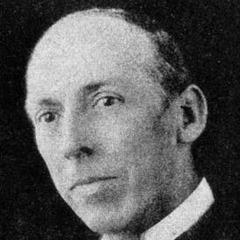
Ernest Bramah
Ernest Bramah was a British author known for his detective novels. His works are renowned for their unique style and intricate plots, significantly influencing the development of detective fiction. more
You May Also Like
Source: ERNEST BRAMAH Ultimate Collection: 20+ Novels & Short Stories (Including Max Carrados Mysteries and Kai Lung Fantasy Stories): The Secret of the League, The Coin of Dionysius, The Game Played In the Dark, The Tilling Shaw Mystery, Kai Lung's Golden Hours, The Confession of Kai Lung, The Mirror of Kong Ho and many more
Source: The Kai Lung Omnibus
“The one-legged never stumble.”
Source: The Complete Works of Ernest Bramah (Including Max Carrados Mysteries & Kai Lung Fantasy Series): The Secret of the League, The Coin of Dionysius, The Game Played In the Dark, The Bravo of London, The Tilling Shaw Mystery, The Secret of Dunstan's Tower, The Missing Witness Sensationäó_
“However deep you dig a well it affords no refuge in the time of flood.”
Source: The Kai Lung Omnibus
“He who has failed three times sets up as an instructor.”
Source: The Kai Lung Omnibus
“Eat in the dark the bargain that you purchased in the dusk.”
Source: THE KAI LUNG FANTASY SERIES: The Wallet of Kai Lung, Kai Lung's Golden Hours & Kai Lung Unrolls His Mat: The Transmutation of Ling, The Story of Yung Chang, The Probation of Sen Heng, The Experiment of the Mandarin Chan Hung, The Confession of Kai Lung, The Vengeance of Tung Fel and more
“One may ride upon a tiger's back but it is fatal to dismount.”
Source: The Kai Lung Omnibus
Source: The Celestial Omnibus
Source: The Celestial Omnibus
“There is no humanity before that which starts with yourself.”