“Someone interrupted him: "Modern art was a movement directed against the bourgeoisie and against its world." "Yes," said Jaromil, "but if it had really been logical in its negation of the contemporary world, it would have had to reckon with its own disappearance. It would have had to know—and it would have had to wish—that the revolution would create a totally new kind of art, an art in its own image." "So you approve," said the woman with the alto voice, "of pulping Baudelaire's poetry, prohibiting all modern literature, and shoving the cubist paintings in the National Gallery into the cellar?" "A revolution is an act of violence," said Jaromil, "that's well known, and surrealism itself knew very well that old-timers have to be brutally kicked off the stage, but it didn't suspect that it was one of them.”
Quote by Milan Kundera
Book:Life is Elsewhere
Work
Life is Elsewhere
Browse quotes and source details for this work. more
Author
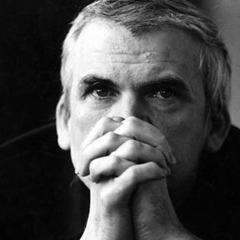
Milan Kundera
Milan Kundera is a renowned Czech-French writer known for his profound psychological insights and unique narrative techniques. His works often explore themes of personal freedom, love, morality, and existentialism, with notable titles including 'The Unbearable Lightness of Being' and 'The Joke'. more
You May Also Like
Source: Voices from Chernobyl: The Oral History of a Nuclear Disaster
Source: The Beginner's Guide to Life Drawing
Source: Blockchain Radicals: How Capitalism Ruined Crypto and How to Fix It
Source: The Keeper of Sheep
Source: Basic Principles of Art for Foundation Phase Teachers
Source: The Man Who Mistook His Wife for a Hat and Other Clinical Tales