Quotessence
Home / Quotes / Quote by Rainer Maria Rilke

Quote by Rainer Maria Rilke

“Go not to bed leaving bread and milk behind On the table: these summon the dead. But He, the exorcist, mingles Under the mildness of our eyelids Their spectres amongst all else that we see; And the spells from fumitory of earth smoke and of rue Are as explicit to Him as the clearest logical connection. Nothing can derange for Him the truly formed image, Be it of graves, be it of rooms, Singing of rings, of spangles, of urns.”

Quote by Rainer Maria Rilke

Work

Sonnets to Orpheus

Sonnets to Orpheus is a poetic work that delves into the emotional depths of love and the enduring power of human emotion. The author uses the myth of Orpheus, a figure from Greek mythology known for his musical prowess and tragic love story, as a backdrop for a series of sonnets. These sonnets reflect on themes such as unrequited love, the pain of separation, and the quest for redemption. The work is characterized by its rich imagery and profound emotional resonance, offering readers a contemplative journey through the complexities of the human heart. more

Author

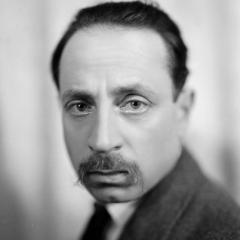
Rainer Maria Rilke
Rainer Maria Rilke

German poet known for his profound poetry and epistolary works. Rainer Maria Rilke's poetry style is unique, often exploring themes such as loneliness, love, and religious faith. more

You May Also Like

“El verso te pisa, sí, el corazón, como si fuera lo contrario de un ataque cardíaco, el simétrico bueno del peso malo. Un verso fuerte no tiene historia como los países. No tiene invasiones, reyes asesinados, resistencias, traiciones; ni cuatro adulterios de una reina de la Edad Media. Un verso, hoy, no tiene Edad Media dentro de sí. Aun cuando sea un verso con dos mil años, hoy, ese verso es absolutamente contemporáneo. Porque es vero. Un verso del señor Homero leído hoy, día siete, tiene esta fecha, y ningún currículum. No tiene Edad Media ni ninguna otra. Si estableciéramos una fórmula final, señor Breton, diríamos simplemente que los mejores versos están desprovistos de currículum y de profecía. Existen en este instante, solo: pero existen mucho.”

“El verso te pisa, sí, el corazón, como si fuera lo contrario de un ataque cardíaco, el simétrico bueno del peso malo. Un verso fuerte no tiene historia como los países. No tiene invasiones, reyes asesinados, resistencias, traiciones; ni cuatro adulterios de una reina de la Edad Media. Un verso, hoy, no tiene Edad Media dentro de sí. Aun cuando sea un verso con dos mil años, hoy, ese verso es absolutamente contemporáneo. Porque es verso. Un verso del señor Homero leído hoy, día siete, tiene esta fecha, y ningún currículum. No tiene Edad Media ni ninguna otra. Si estableciéramos una fórmula final, señor Breton, diríamos simplemente que los mejores versos están desprovistos de currículum y de profecía. Existen en este instante, solo: pero existen mucho.”