Quotessence
Home / Quotes / Quote by John Owen

Quote by John Owen

Work

Communion with God

This book delves into the various forms of spiritual communion, offering insights and practices for cultivating a deeper connection with the divine. It explores the historical and cultural contexts of different religious traditions and provides practical advice for individuals seeking to enhance their spiritual experiences. more
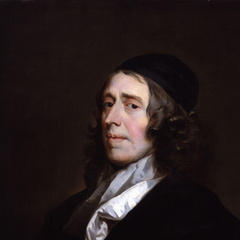
Author

John Owen
John Owen

John Owen (1616-1683) was a prominent English theologian, writer, and pastor. His works have had a profound impact on Christian theology, particularly in the areas of predestination and moral theology. more

You May Also Like

“Sin aims always at the utmost; every time it rises up to tempt or entice, if it has its own way it will go out to the utmost sin in that kind. Every unclean thought or glance would be adultery if it could, every thought of unbelief would be atheism if allowed to develop. Every rise of lust, if it has its way reaches the height of villainy; it is like the grave that is never satisfied. The deceitfulness of sin is seen in that it is modest in its first proposals but when it prevails it hardens men’s hearts, and brings them to ruin.”

“Let our hearts admit, “I am poor and weak. Satan is too subtle, too cunning, too powerful; he watches constantly for advantages over my soul. The world presses in upon me with all sorts of pressures, pleas, and pretences. My own corruption is violent, tumultuous, enticing, and entangling. As it conceives sin, it wars within me and against me. Occasions and opportunities for temptation are innumerable. No wonder I do not know how deeply involved I have been with sin. Therefore, on God alone will I rely for my keeping. I will continually look to Him.”

“What makes life worthwhile is having a big enough objective, something which catches our imagination and lays hold of our allegiance, and this the Christian has in a way that no other person has. For what higher, more exalted, and more compelling goal can there be than to know God?”

“God was happy without humans before they were made; he would have continued happy had he simply destroyed them after they had sinned; but as it is he has set his love upon particular sinners, and this means that, by his own free voluntary choice, he will not know perfect and unmixed happiness again till he has brought every one of them to heaven. He has in effect resolved that henceforth for all eternity his happiness shall be conditional upon ours.”