“The truly great consider, first, how they may gain the approbation of God, and, secondly, that of their own conscience. Having done this, they would then willingly conciliate the good opinion of their fellow-men. But the truly little reverse the thing. The primary object with them is to secure the applause of their fellow-men; and having effected this, the approbation of God and their own conscience may follow on as they can.”
Quote by Charles Caleb Colton
Work
Remarks on the Talents of Lord Byron and the Tendencies of Don Juan
This book provides an in-depth examination of the literary contributions and personal traits of the poet Lord Byron, as well as an exploration of the character Don Juan, examining the influences and inspirations behind both figures. more
Author
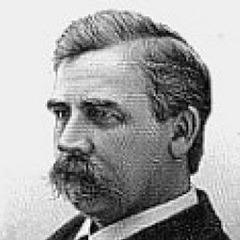
Charles Caleb Colton
Charles Caleb Colton was an English writer active from 1780 to 1832. Known for his humor and wit, he is particularly recognized for his aphorisms and satirical works. more
You May Also Like
Source: Lacon, Or, Many Things in a Few Words: Addressed to Those who Think
Source: Remarks on the Talents of Lord Byron and the Tendencies of Don Juan
“Subtract from many modern poets all that may be found in Shakespeare, and trash will remain.”
Source: Lacon: or, Many things in few words
Source: Lacon: Or Many Things in Few Words, Addressed to Those who Think
Source: Lacon, Or, Many Things in a Few Words: Addressed to Those who Think
Source: Lacon: Or, Many Things in Few Words, Addressed to Those who Think
Source: Lacon: Or, Many Things in Few Words, Addressed to Those who Think