“But my favorite of Einstein's words on religion is "Science without religion is lame. Religion without science is blind." I like this because both science and religion are needed to answer life's great questions.”
Book:Thinking in Pictures
“But my favorite of Einstein's words on religion is "Science without religion is lame. Religion without science is blind." I like this because both science and religion are needed to answer life's great questions.”
This work delves into the visual thought processes of individuals with autism, offering insights into how they interpret and interact with their environment. The author shares personal experiences and observations, providing a window into the world of visual thinking. more
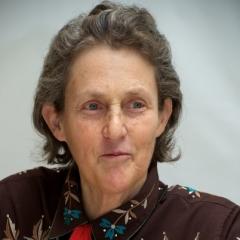
Temple Grandin is a professor of animal science and an autism advocate. Born on August 29, 1947, she has made significant contributions to the understanding of autism and animal welfare through her groundbreaking research. Grandin's innovative designs, such as the 'hug box,' have improved livestock handling practices. She is also an author and speaker, sharing her experiences and insights on autism and animal welfare with the world. more
“Hey, don't take this the wrong way, but don't come back, ok?”
“What's that sticky stuff called? Basta: Duct tape. Yes, duct tape. I love duct tape.”
“Shut up, Julius! I mean, quiet a moment, Commander.”
“Lying on the front passenger seat, as if it didn't matter, was Rose's Diary. It Mattered.”