Quotessence
Home / Quotes / Quote by Charles Dickens

Quote by Charles Dickens

Work

A Tale of Two Cities: A Story of the French Revolution

Charles Dickens's renowned novel is a compelling narrative that intertwines the lives of characters in London and Paris during the tumultuous period of the French Revolution. The story delves into the complexities of human nature, societal upheaval, and the quest for a better future. more

Author
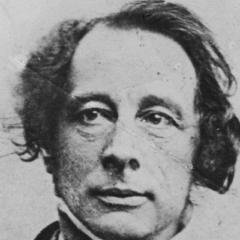
Charles Dickens
Charles Dickens

Charles Dickens, a British writer born on February 7, 1812, and died on June 9, 1870, is one of the greatest novelists of the 19th century. Known for his profound social criticism and vivid narrative style, Dickens' works extensively cover social reality, revealing various issues in the British society of the time. more

You May Also Like

“Does he treat you with respect at all times? That's the first question. The second question is, if he is the exact same person twenty years from now that he is today, would you still want to marry him? And finally, does he inspire to be a better person? You find someone you can answer yes to all three, then you've found a good man.”

“Time will break all of the old habits and create new ones for you, and in the process, you will try to handle this immense pain with dignity (because you're that kind of girl). You actually will have to move on and you actually will be fine and that's when he may actually miss how incredible and special you are.”

“The greatest wisdom is to make the enjoyment of the present the supreme object of life; because that is the only reality, all else being merely the play of thought. On the other hand, such a course might just as well be called the greatest folly: for that which in the next moment exists no more, and vanishes utterly, like a dream, can never be worth a serious effort.”

“A man never is happy, but spends his whole life in striving after something which he thinks will make him so; he seldom attains his goal, and when he does, it is only to be disappointed; he is mostly shipwrecked in the end, and comes into harbor with mast and rigging gone. And then, it is all one whether he has been happy or miserable; for his life was never anything more than a present moment always vanishing; and now it is over.”